Advantages of articulating borescopes for boiler tube inspection
Release time:2026-03-20 Click:125
Articulating borescopes offer significant advantages for boiler tube inspections, particularly in scenarios involving restricted access, complex geometries, and the need for precise defect localization.
Compared to rigid or nonarticulating scopes, their benefits are substantial. Here is a detailed breakdown:
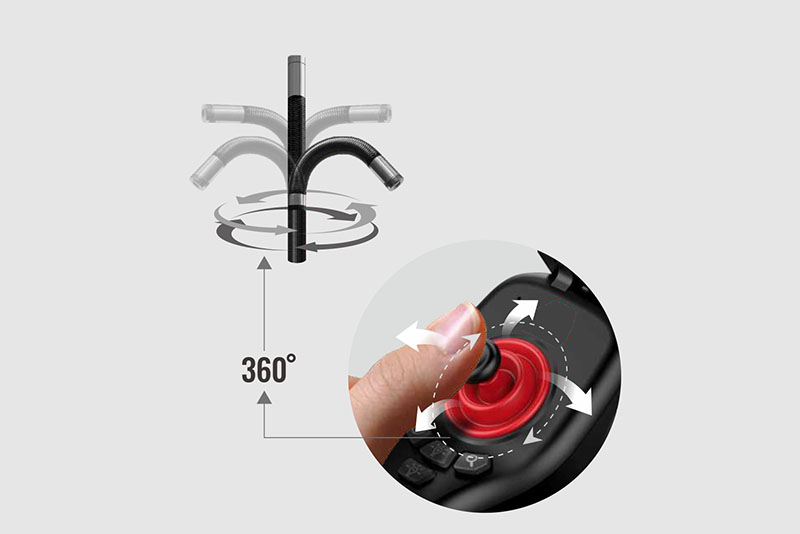
1. Effortlessly Navigate Complex Boiler Geometries
Boiler tubing is characterized by:
Curved sections
Tight bends (e.g., return bends)
Multiple branch lines
An articulating borescope, with its tip capable of 2way, 4way, or 360° articulation, can:
Easily navigate through bends.
Maneuver within intricate tube pathways.
Reach areas inaccessible to conventional tools.
Result: Deeper, more comprehensive inspections are possible without equipment disassembly.
2. Enhanced Defect Localization and Targeting
With joystickcontrolled tip articulation, the inspector can:
Precisely steer the camera towards a suspected defect.
Dynamically change the viewing angle.
Meticulously examine welds, joints, and internal surfaces.
This is particularly effective for identifying:
Crack initiation sites
Pitting corrosion
Scale and deposit buildup
3. Significantly Expanded Field of View
Unlike nonarticulating scopes with a fixed, limited field of view, articulating borescopes enable multiangle observation:
Inspect tube sidewalls directly.
Achieve retroviewing by bending the tip backward.
Examine the entire circumference of the tube.
Result: The risk of missing critical defects is dramatically reduced.
4. Reduced Disassembly and Minimized Downtime
Eliminates the need to dismantle boiler components for access. The process simply involves:
Inserting the borescope through an existing access port (manway, burner opening, etc.).
Using articulation to navigate the internal passages.
Benefits:
Faster inspection cycles.
Reduced labor costs.
Minimized impact on equipment availability.
5. Superior Image Quality in Confined Spaces
Highend articulating borescopes are typically equipped with:
HighDefinition (HD) cameras.
Adjustable, highintensity LED illumination.
Digital zoom and image enhancement features.
When combined with a precisely articulating probe, the inspector can stably position the tip to achieve optimal focus and clarity, even in the most confined spaces.
6. Improved Inspection Efficiency
Rapid navigation through long tube lengths.
Reduced need for repeated advancing and retracting to change views.
A single articulating borescope can replace multiple rigid scopes and other specialized tools.
7. Capability for Quantitative Defect Measurement (Advanced Models)
Certain articulating borescopes feature integrated measurement capabilities, such as:
3D phase measurement
Stereo measurement
Laserassisted ranging
This allows for the accurate measurement and documentation of:
Crack length and width.
Corrosion pit depth.
Wall loss or wear patterns.
This data can be compiled directly into inspection reports.
8. Enhanced Personnel Safety
Inspections are conducted entirely from outside the confined space or hazardous area. This keeps personnel away from:
Hightemperature surfaces.
Highpressure systems.
Potentially toxic substances or residues.
9. Greater Reliability in LongDistance Inspections
In applications like power plant boilers, where tubes can be many meters long, the articulation function helps:
Maintain the desired direction of travel down the tube.
Prevent the probe from getting snagged on internal obstructions like weld spatter or debris.
Successfully navigate branches and tees.
Summary: Why Articulating Borescopes are Superior for Boiler Work
| Feature | Advantage in Boiler Inspection |
| Articulating Probe Tip | Accesses bends and complex pathways with ease |
| MultiAngle Viewing | Provides a more comprehensive view to find all defects |
| HighDefinition Imaging | Delivers clearer, more diagnostically useful images |
| No/Less Dismantling | Significantly reduces costly equipment downtime |
| Integrated Measurement | Enables quantifiable, reportable data on defect severity |
Practical Recommendation
For boiler tube inspection, a 4way articulating (or 360° tip) borescope with a probe length of at least 1.0 to 2.0 meters (or longer as needed) and highintensity, adjustable LED illumination is typically recommended. This configuration provides the versatility and performance required for most boiler inspection challenges.
Hot products
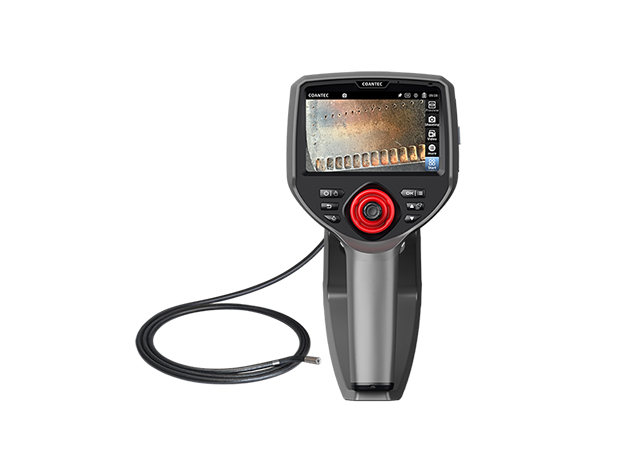
Industrial Endoscope With 360 Degree Articulation
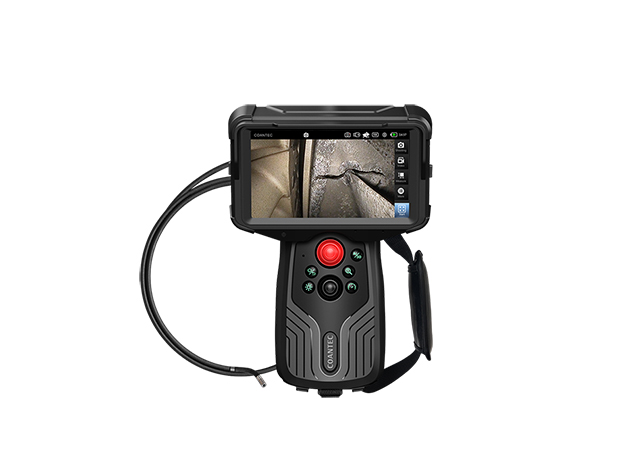
AI Powered Industrial Videoscope with 3D Measurement and NPU Computing
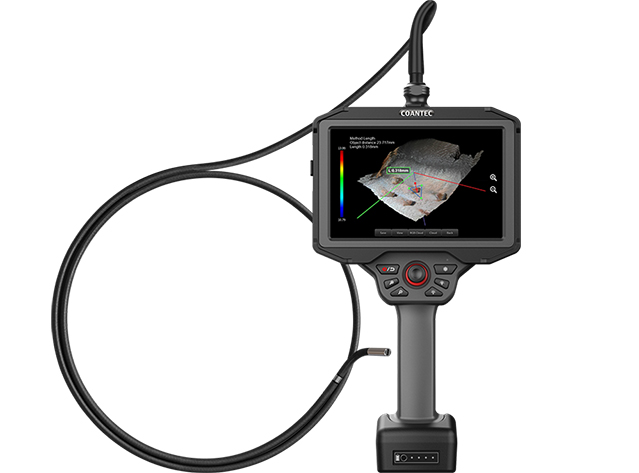
Industrial borescope 3D measurement function - X5 Series

Engine borescope inspection camera Industrial Videoscope- C68 series
Tel:+86 13714520051
E-mail:flora@chinavideoscope.com

CONTACT US